

Color is integral to visual communication, especially when it comes to the food we eat. It has the power to influence our buying decisions by creating a consistent experience with a product (in terms of branding), it makes food more appetizing (through packaging) and can even affect our perceived taste (through color).
There’s a reason why fast-food restaurants like McDonald’s, Burger King, In and Out, and Chick-Fil-A use warm colors such as red, orange and yellow in their brand logos and in their dining areas. Those colors tend to make us hungry, while also making us consume it faster.
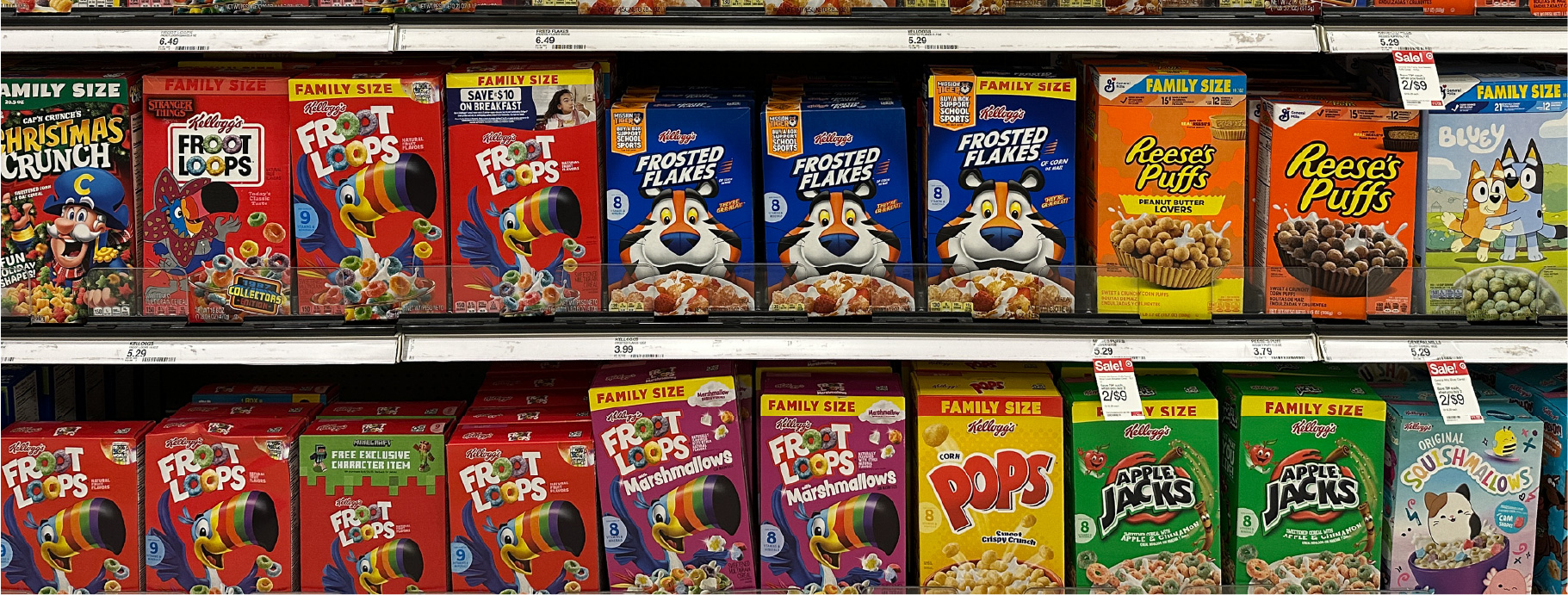
But the power of color to affect our appetites doesn’t end there—a product’s packaging also motivates us in other ways. One simply needs to take a trip down the cereal aisle of your local grocery store to see how brightly colored boxes adorned with whimsical cartoon characters and fun typography entices buyers (particularly young children) to place them into their shopping cart. It also explains why those cereals cost up to 40% more than the generic ones located on the bottom shelf, but that’s a story for another time.
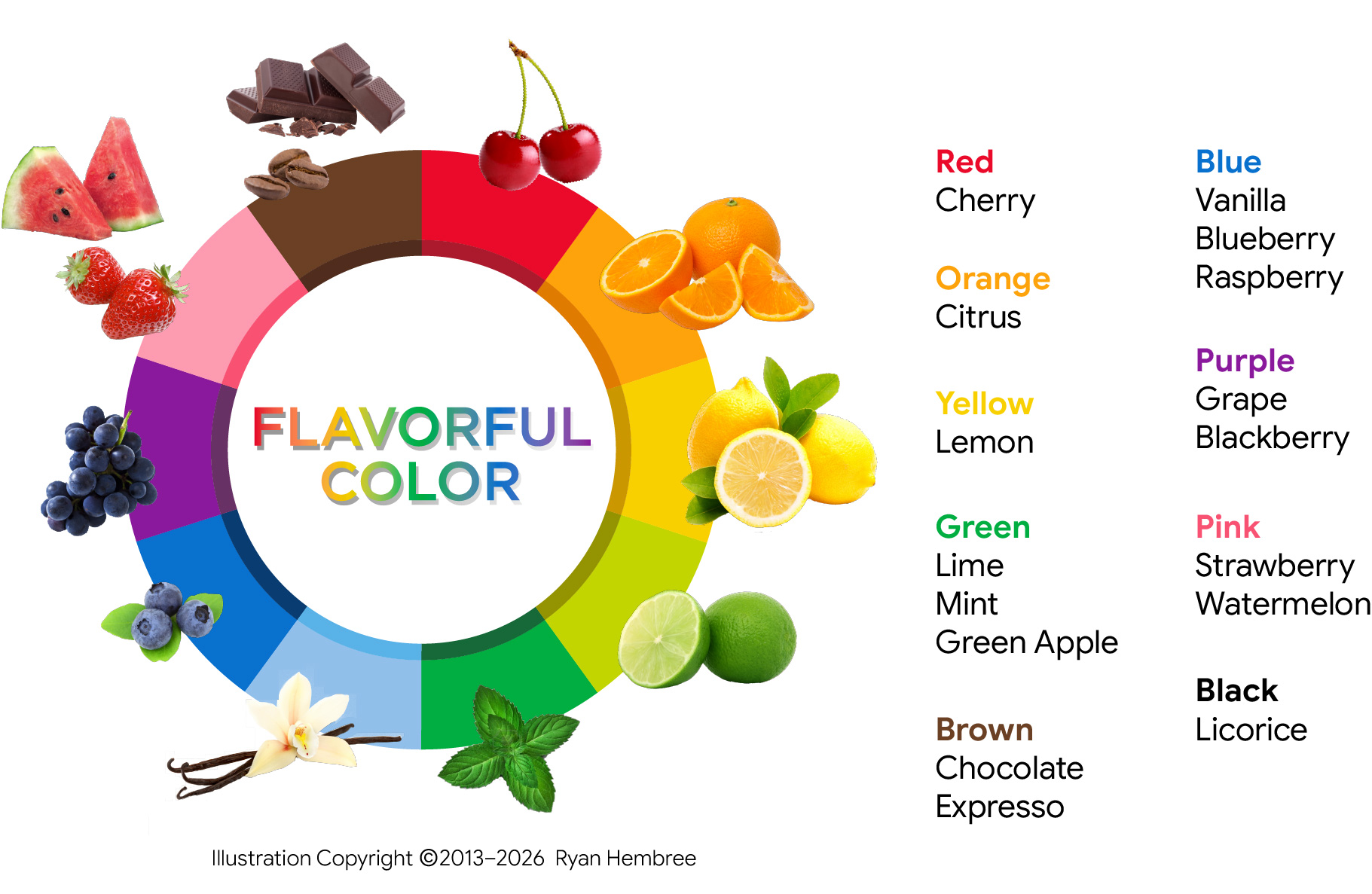
One of the biggest benefits of color (particularly on packaging) can be to communicate flavor. When used properly, color gives customers a clue about how something will – or should – taste. Common color and flavor associations can be seen below, and when used properly they will enhance customers’ experience with a product.
If colors conflict with these common color and flavor conventions, or are used simply to beautify or differentiate a product without considering the actual visceral attributes, confusion and poor sales can result. A couple of brands that I wrote about many years ago (but are still relevant) and serve as reminders of how not to use color on packaging include Starbucks and Coca-Cola.
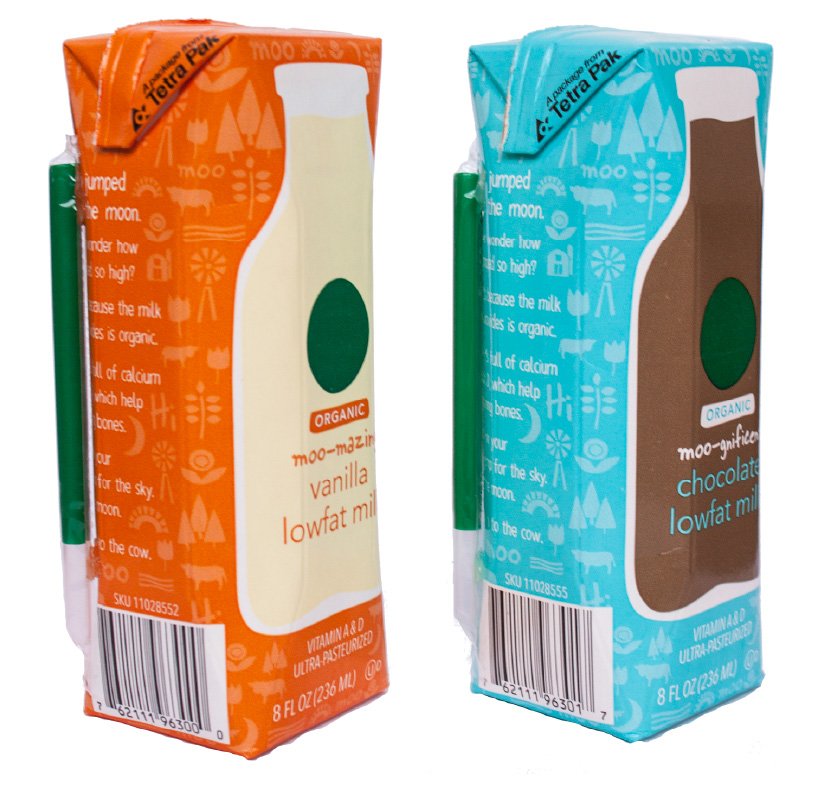
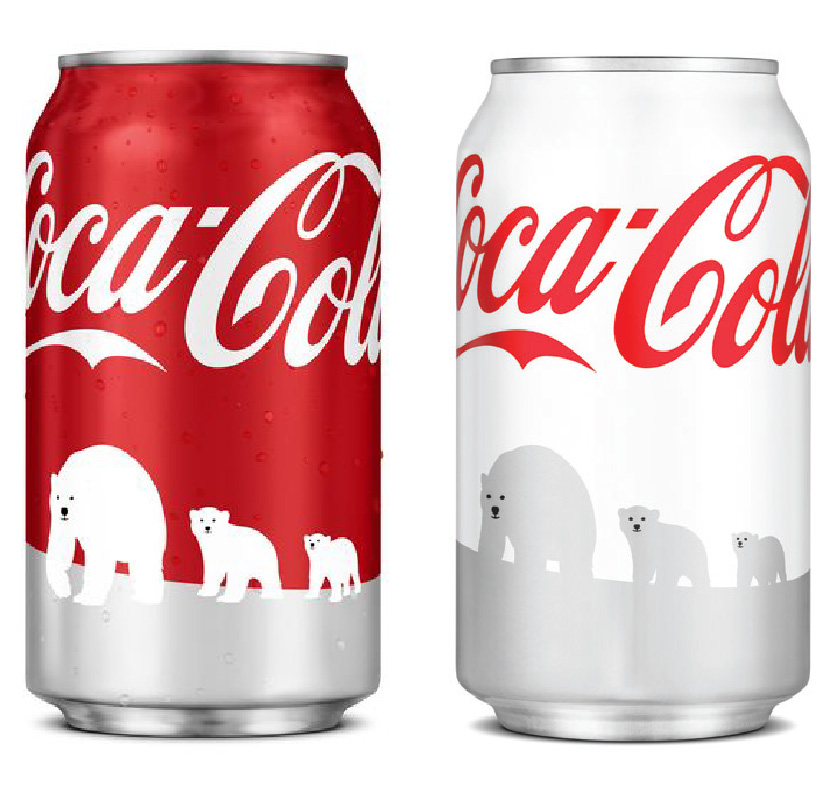
By using orange on milk packaging, Starbucks customers couldn’t have been blamed for thinking they were buying orange juice or another citrus product. Coca-Cola’s limited edition polar bear holiday cans could have caused confusion as it is very similar to Diet Coke’s traditional trade dress.
In addition to packaging, the color of food itself can affect our sense of taste. Manufacturers have been adding artificial coloring to cereal, candy and baked goods for years—not only to restore color that is lost due to processing or aging, but to make it more appealing on store shelves. This use of food coloring (specifically cheaper artificial dyes) has been prevalent in the news lately with possible links to health issues and hyper-activity in children. Many countries are banning the use of certain dyes (such as Red 40, Yellow 5 and Yellow 6) which are prevalent in breakfast cereals, snacks and beverages.
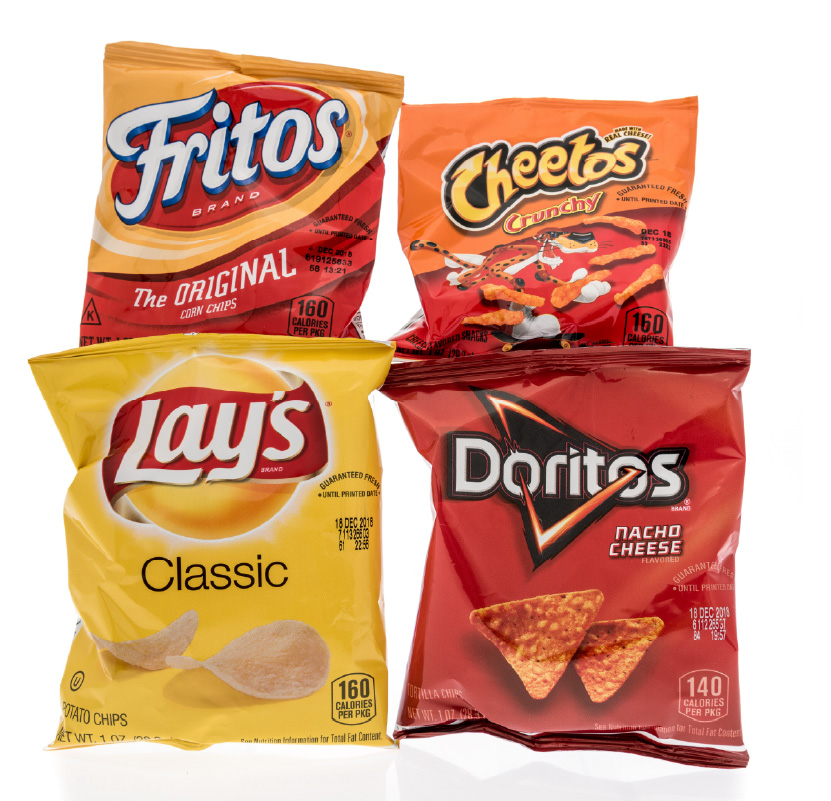
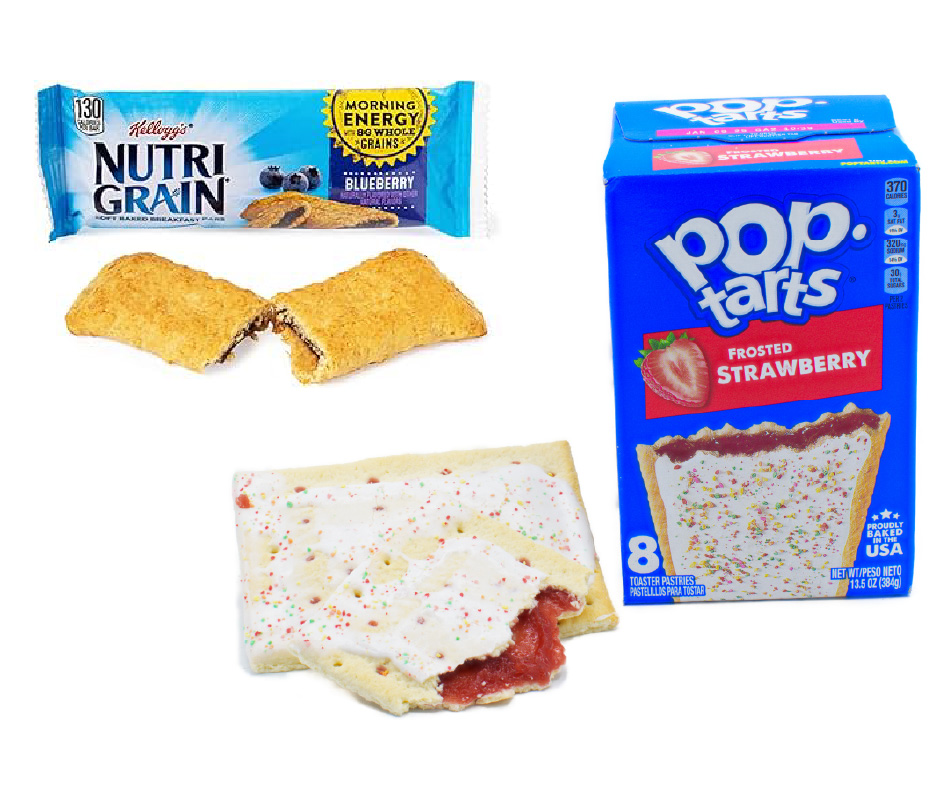
When used properly, color can be a very powerful design element for your brand. It creates a visceral response to your brand, based on consumer’s previous experiences and expectations. If your product and/or packaging is evoking the wrong type of response, your sales—and brand—will ultimately suffer as a result.
For more information or additional research on this article, please visit the following links:
https://www.wsj.com/business/artificial-food-dyes-database
https://www.wsj.com/business/retail/target-says-it-will-soon-only-carry-cereals-made-without-synthetic-colors