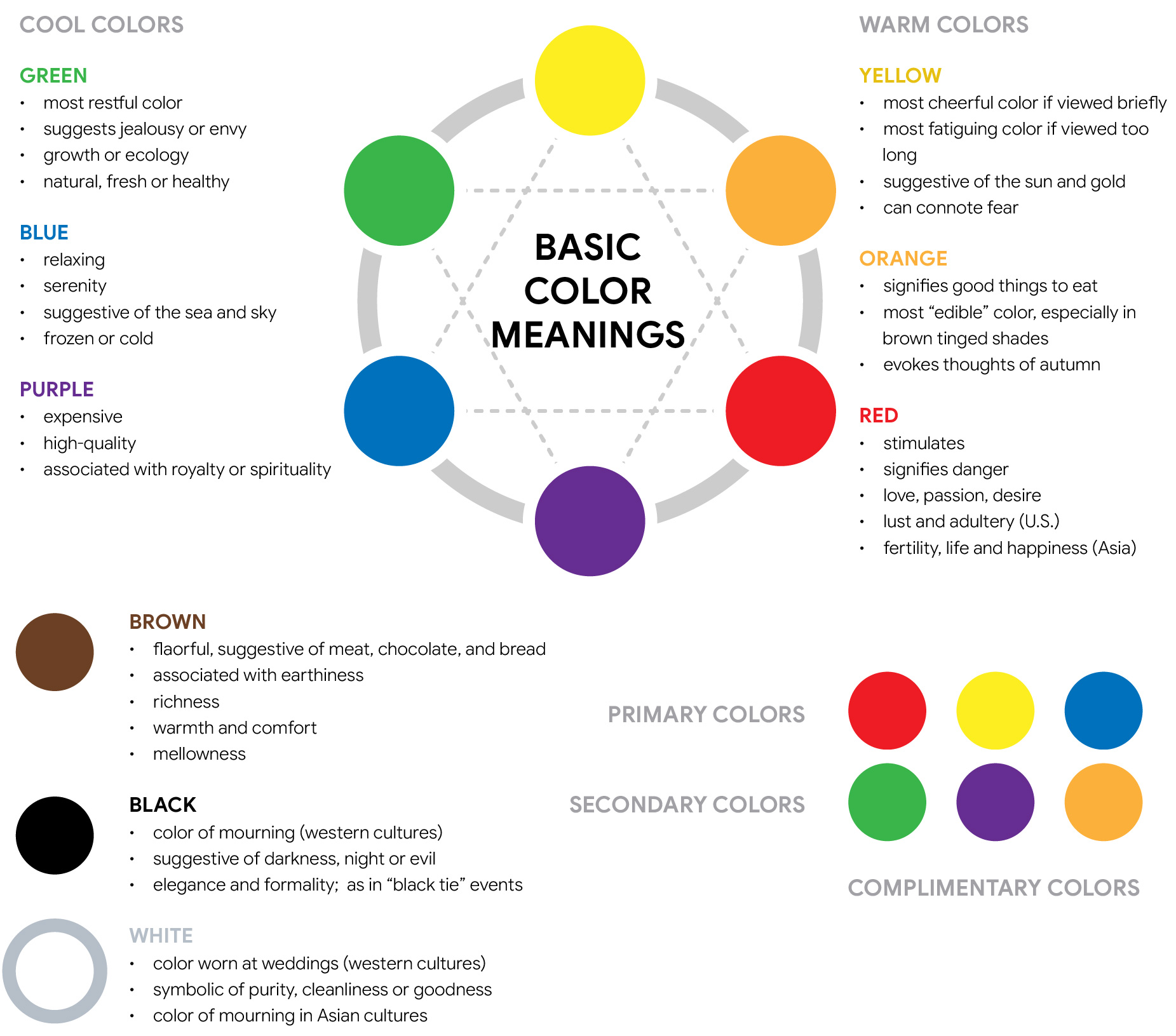

One of the first things that customers perceive when they view your brand is color. This attribute not only helps differentiate you from competitors, it also helps identify the type of product or service you provide. In fact, color evokes a visceral response and sometimes powerful emotions from people; so when used properly, it can be a highly effective tool for your brand or communications. Knowing the communicative qualities of color will make you—and your brand—smarter and more effective.
The three primary colors; red, yellow and blue, tend to be the colors that most people are drawn to. For example, the most popular color in the world among adults, male and female, is blue. It also happens to be the most popular color used in corporate identity programs, for reasons that I’ll go into below. Among children, red is the preferred color, while yellow, the most luminous color in the spectrum, tends to draw the attention of young infants with developing vision.
Blue the most popular color, universally symbolizes serenity and tranquility. It has a calming effect if used in moderation or suggests a deep depression if used too much. Part of this color’s soothing qualities and appeal are attributed to the sky and ocean. Blue is a cool color associated with things that are cold, such as frozen food. Additionally, blue is suggestive of both quality and expertise (think of blue ribbons).
Red is the most passionate color that excites and get adrenaline pumping. It is associated with both love and anger; represents lust or adultery (as in The Scarlet Letter or a “red light” district) and also represents danger and helps incite warfare (the ancient Romans carried red flags into battle because of the color’s association to that of blood). In some countries, such as China, red represents good luck and fertility.
Yellow is the most luminous color of the spectrum. Because of its high visibility, warning signs are often painted this color. Yellow traditionally represents the sun and is the most cheerful color when used in moderation. If used too liberally, it can tire the eyes quickly and make people more irritable (studies have shown that couples with yellow kitchens tend to bicker more when in those areas). Conversely, yellow has also become synonymous with greed and cowardliness (in tenth century France, the doors of traitors and criminals were painted yellow, and in the U.S., “yellow journalism” became a term associated with lurid, cheap and sensationalistic reporting).
Did you know?
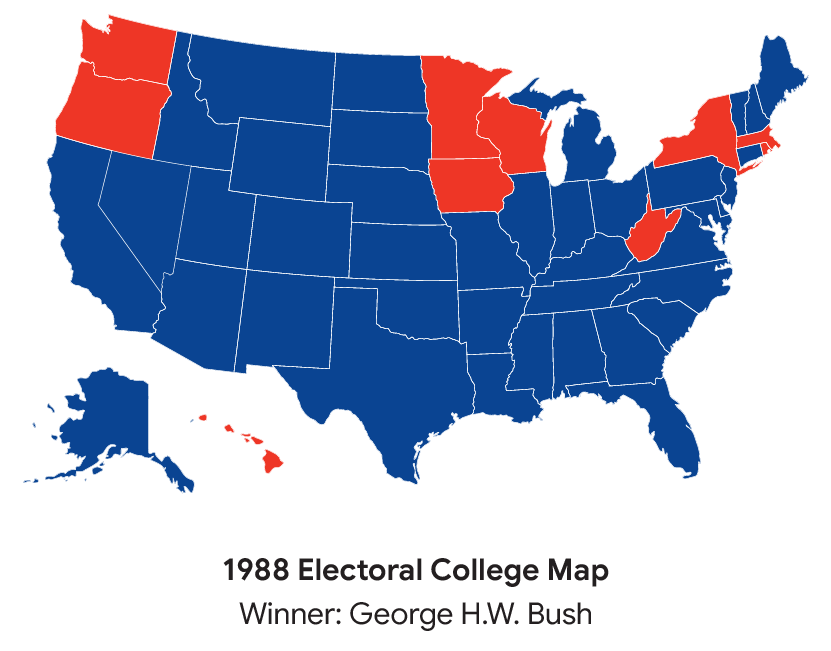
Before the 2000 United States presidential election, red wasn’t always associated with the Republican party, and blue didn’t stand for the Democratic party? “Blue states” used to represent those won by the incumbent presidential party.
Secondary Colors
Green is a cool color with similar soothing properties as blue. It is a very relaxing color associated with growth
and prosperity, as well as health and wellness. It can also suggest envy and jealousy, such as the “green-eyed
monster” described in Shakespeare’s Othello.
Orange is a warm color often associated with fire and good things to eat. As such it is the most edible color,
which explains why many fast foods chains use it as part of their color scheme.
Purple is universally associated with both royalty and spirituality because in ancient times, only emperors or kings
could afford garments made of purple dye,
Did you know?
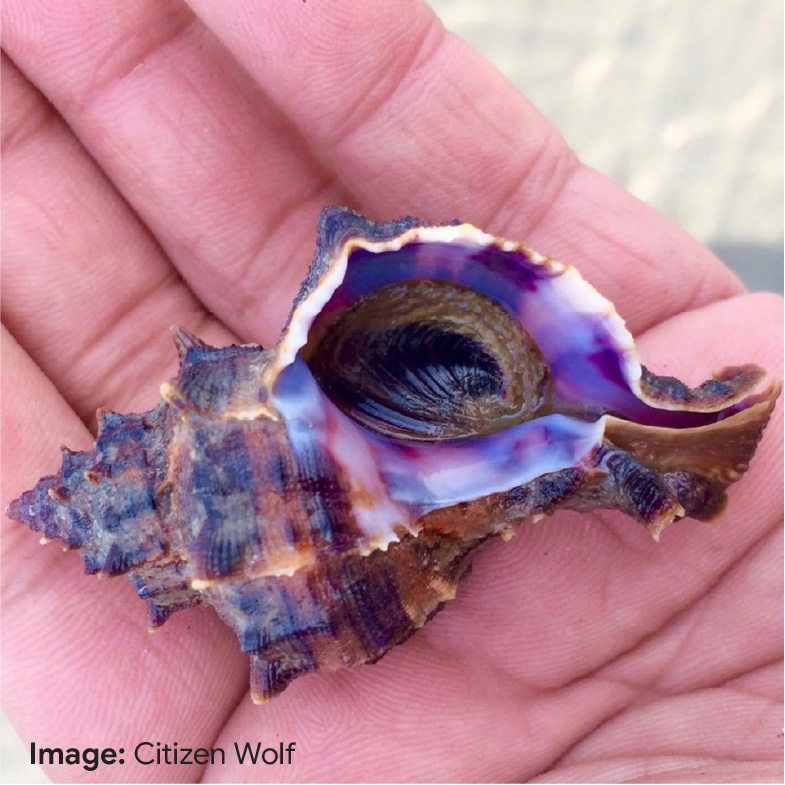
Naturally occurring Tyrian purple dye is extremely rare, and extracted from small mollusks from the Mediterranean Sea—it takes 9,000 of them to yield 1g of purple dye.
View video on how purple dye is made.
Other Colors and their associated meanings
Black, although technically not a color, is symbolic of luxury, elegance and sophistication. There’s a reason formal events are often referred to as “black-tie.” On the other hand, black can also represent darkness and evil.
White (when in print it is technically a lack of color; on screen it’s all the colors combined) symbolizes purity (think of a “white wedding”) and good; while in some cultures it represents death (ghosts) and mourning.
Brown is comforting and warm, connoting good things to eat, such as bread, meat, chocolate and coffee. It has an earthiness and richness to it.
Pastel colors are generally used to represent sentiments such as caring and gentleness. Pastels are often used as colors for nurseries and are gender specific; light blue for a boy, and pink for a girl. Additionally, because pink has a calming and sedating effect, it is often used in hospital waiting rooms.
When used properly, color can be a very powerful design element for your brand. It creates a visceral response to your brand, based on consumer’s previous experiences and expectations. If your product and/or packaging is evoking the wrong type of response, your sales—and brand—will ultimately suffer as a result.