

According to a recent article in Psychology Today, medical errors are the third leading cause of death in America: when lives are on the line and doctors need to get specialized treatments to patients, speed can a priority. And when prescribing specialized drugs, the branding (and safety) of those drugs could become a matter of life and death, as “look alike, sound alike” medications kill one person per day and injure 1.3 million each year according to the WHO.
I am not a doctor — although I’ll admit I have considered obtaining a PhD in Design (yes, it’s a real thing) so I could brag about being a “Doctor of Design” or a “Design MD” — but the recent explosion in the number of new drugs advertised on TV has become concerning, especially since patients have WebMD to self-diagnose and the ability to ask for drugs by name. With made-up words for names, bright and bold colors used throughout, as well as catchy jingles and vignettes of life with and without each medical condition, it is hard not to watch these adverts. I can only imagine the difficulty that so many choices pose not only to doctors, but the pharmacists who must fill prescriptions.
Curious about these challenges, I began keeping track of all the prescription drugs advertised on TV (and it’s a lot — especially if you watch broadcast news or other shows geared toward older viewers such as myself). Over the span of 4-6 weeks, I recorded over 50 different drugs that treated a myriad of conditions that I had no idea existed, let alone how they affect the body.
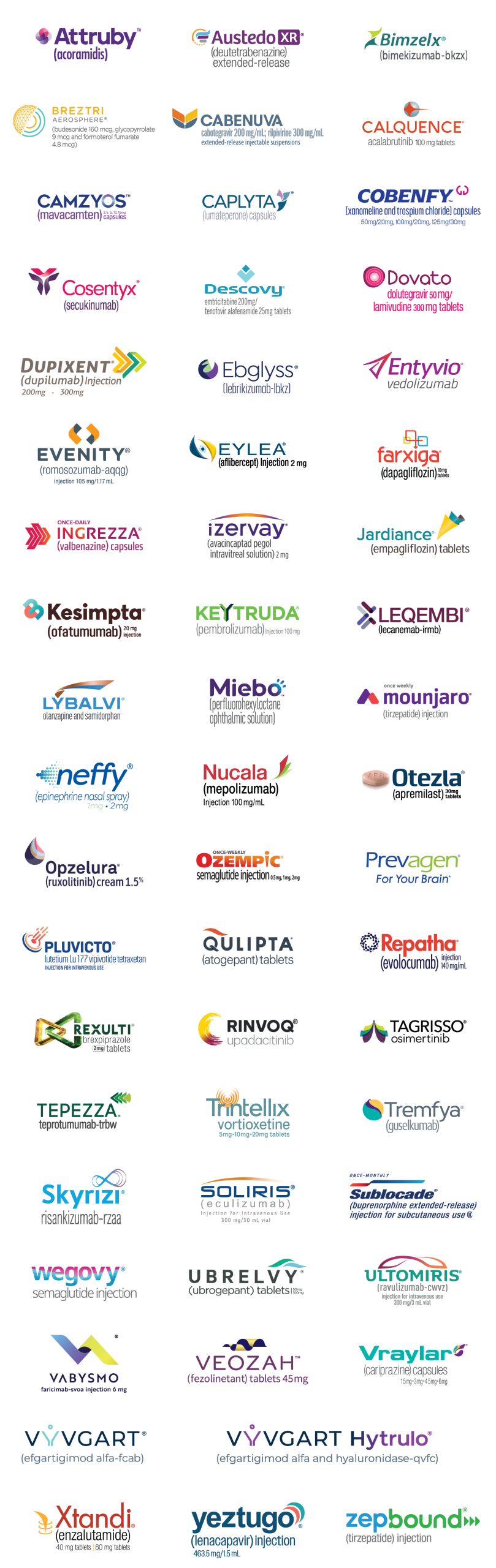
Looking at these drug brands from a design perspective, there are some brands that are clearly more effective and sophisticated than others. Those that are use a distinct mark relating to the part of the body or the condition they treat, and will use a stylized logotype or font to differentiate them from others in their same space. The most crowded drug categories (not surprisingly) are related to mental health, diabetes and weight loss, skin conditions and cancer treatments.
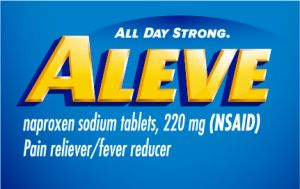
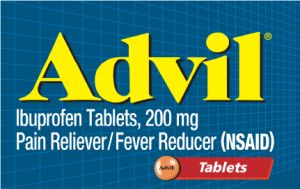
Unlike OTC (over the counter) medications that tend to have similar color schemes and graphic treatments, newer drugs don’t follow any guidelines or color conventions to suggest they treat similar conditions (see the comparison between Aleve and Advil, both NSAID pain relievers). In fact, some drugs such as Skyrizi and Dupixent are advertised to treat more than one condition.
How drugs get their names.
As it turns out, naming a new drug is a highly regulated and difficult process, as there are three different names that identify a drug:
1. First, there is the chemical compound name that is given to it by the International Union of Pure and Applied Chemistry.
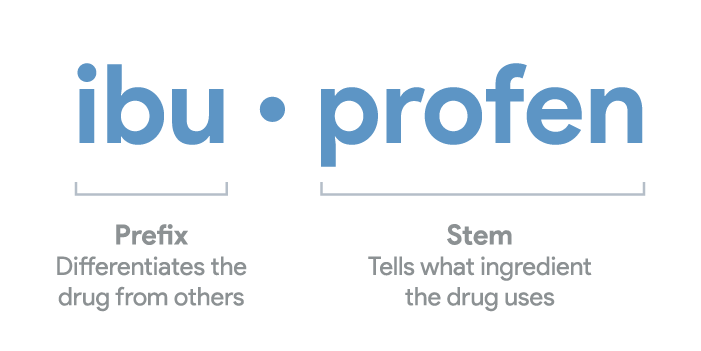
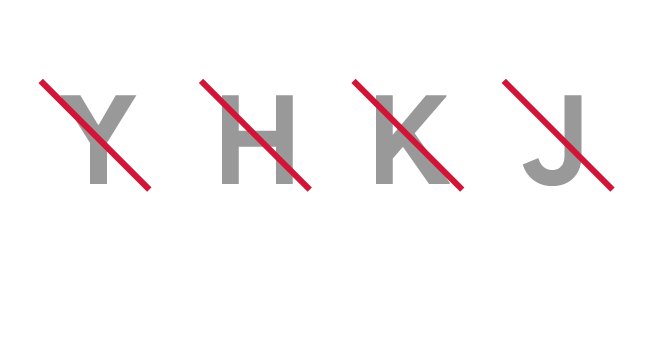
2. The generic name must be submitted and approved by the WHO’s International Nonproprietary Name (INN) Program and includes a “stem” to identify the ingredients and a prefix to differentiate it from other similar types of drugs (see below). Generic names cannot contain the letters Y, H, K, J and W, since they are not used in all languages that use the Roman alphabet.
3. Finally, the brand name must be able to be trademarked in the countries in which it will be sold. It cannot be similar to other drug names, have inappropriate connotations or be misleading or overpromise results.
The ideal brand name for a drug should be easy to pronounce and typically consists of 2-4 syllables and no more than 5–9 letters. With more drugs being approved for market every year (in 2023 there were 55 new drugs approved by the FDA), it is becoming harder to create unique and protectable brand names, so drug makers are resorting to made-up words. Promoting these invented drug names results in even more advertising to educate consumers, leading to even more commercials and possible confusion within the marketplace.
How marketers are working to make drug names and branding safer
In response to so many new drugs being advertised directly to consumers, safety has become even more paramount. Newer branded drugs and commercials feature not only the name (repeated several times), but the generic name and dosage as well. Some logos even tell how it may be administered (i.e. “injection,” “tablets,” “once weekly,” etc.). Any side effects (which sometimes make me wonder why anyone would want to risk taking these drugs) are clearly communicated in voice overs and displayed on the screen. And visiting the drug’s website provides consumers a wealth of information about the conditions treated, questions to make sure that it is right for them, and then detailed information on any drug interactions.
For more information and fascinating insight on how drugs get their names and why, check out these articles:
The Logic of Drug Names
Why Do Prescription Drugs Have Such Crazy Names